
How to Hire Guest Speakers for Events That Deliver
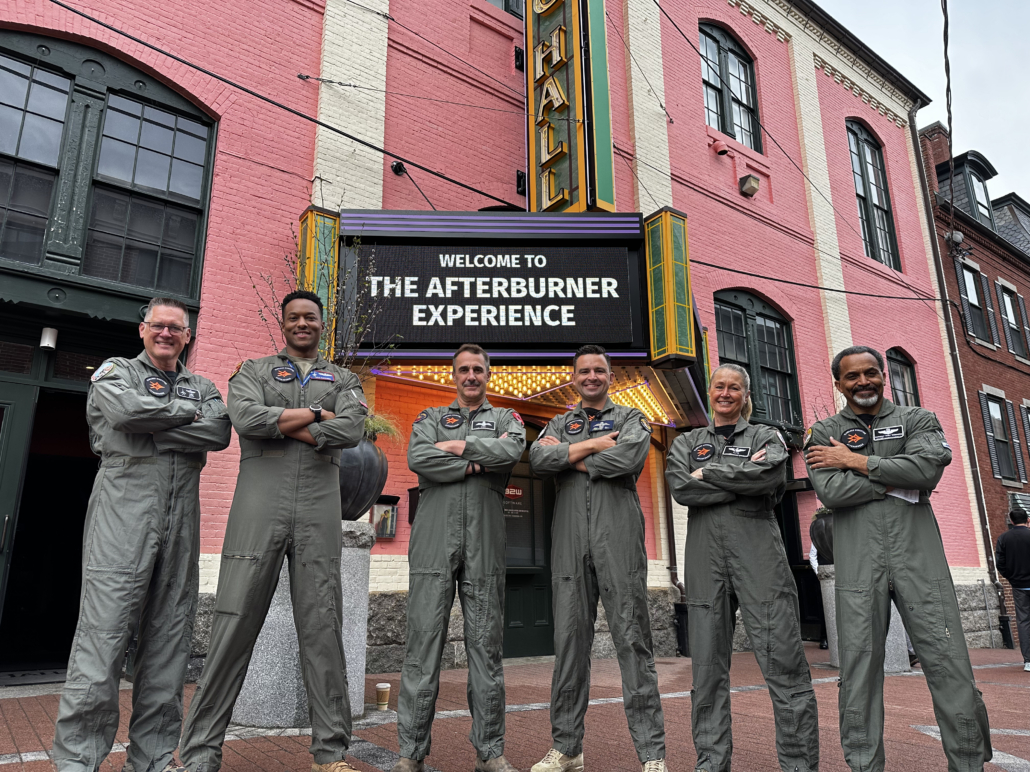
How to Choose Guest Speakers for Events That Drive Results
I walked into a corporate leadership event a few years back, not as the speaker, but as a guest. The company had spent serious money on the whole production. Big stage, great lighting, catering that probably cost more per head than my first month’s rent in the Air Force. The keynote speaker was polished. Funny. Charismatic. The audience loved it.
Two weeks later, I ran into someone who’d been in that audience. I asked what they’d taken away from the event. Long pause. “It was good,” they said. “I just… can’t remember what it was about.”
That moment stuck with me.
Here’s the thing about choosing guest speakers for events: the right speaker doesn’t just fill an hour on your agenda. They provide a framework your team can use the next morning and for the next decade. The wrong speaker gives you a standing ovation and a room full of people who can’t recall the message by Friday. Christian “Boo” Boucousis here, former Royal Australian Air Force F/A-18 Hornet pilot, CEO of Afterburner, and someone who has been on both sides of the stage for over twenty years. I’ve seen what works, and more importantly, I’ve seen the expensive mistakes.
This guide is your mission plan for finding, hiring, and getting real value from guest speakers for your next corporate event.
Is a Guest Speaker Actually Worth the Money?
Let me be direct. Bringing in an outside speaker costs money. Sometimes significant money. And when you’re building the budget for your next leadership offsite or company-wide meeting, it’s fair to ask whether that line item is a genuine investment or just an expensive tradition.
The answer depends entirely on who you hire and why.
A powerful external voice can do something that internal leadership often can’t: break through the echo chamber. Your team hears from you every week. They know your stories. A speaker with the right experience and the right framework can reframe challenges your team has been staring at for months. They bring the outside perspective that shakes loose new thinking.
At Afterburner, our keynotes aren’t designed to inspire for a day. They’re designed to install a new operating system, a way of thinking that drives results long after the applause fades. That’s the difference between entertainment and investment.
The return shows up in tangible outcomes: improved alignment, a shared language for execution, and tools your people actually use. Incorporating a guest speaker into your event planning is a strategy, not a tactic, and when done right, it’s one of the highest-leverage moves you can make for your organization.
What Kind of Speaker Do You Actually Need?
Before you start Googling names, get clear on the type of speaker who will deliver the outcome you’re after. You wouldn’t hire a plumber to fix your Wi-Fi. Same logic applies here.
I think about this the way I think about mission planning. In our FLEX methodology, FLawless EXecution, every mission starts by defining the objective before you pick the tools. The same principle applies to hiring a speaker. Define the mission first. Then find the person who can help you accomplish it.
There are four primary archetypes, and each serves a distinct purpose.
The Industry Expert
This is the specialist you bring in when your team needs a deep dive into a specific subject, a particular market, technology, or competitive landscape. Think of them as the intelligence briefing before the mission. They provide the “what” and the “how,” giving your team tactical knowledge they can apply immediately in their specific roles. An industry expert is ideal for annual conferences or departmental meetings where the goal is getting everyone operating from the same data set.
The Leadership Catalyst
If your goal is transformation rather than information, you need a catalyst. This speaker doesn’t just present ideas. They challenge mindsets and inspire action. They connect with an audience on an emotional level, sharing stories and frameworks that shift how people think about their work.
A leadership catalyst is who you bring in when you’re navigating change, breaking down silos, or trying to instill a new level of accountability. They focus on the “why” behind high performance. This is the speaker who leaves your team not just with notes but with a new approach to execution.
The Interactive Workshop Facilitator
When a speech from the stage isn’t enough, you need someone who can get in the trenches with your team. A facilitator creates a hands-on learning environment, guiding your people through activities, collaborative problem-solving, and real-time application of new frameworks.
This format is perfect for strategic offsites where the objective is a tangible output: a finished plan, a new process, or a stronger sense of team cohesion. Our interactive workshops at Afterburner turn passive listeners into active participants, and in my experience, that’s where the deepest learning happens.
The Big-Name Headliner
Sometimes the primary goal is to generate buzz and draw a crowd. A celebrity, bestselling author, or renowned business leader whose name adds credibility and excitement to the event. A headliner is a marketing tool, powerful for large-scale conferences or client-facing events where making a strong impression is the top priority.
Nothing wrong with that. Just be honest about what you’re buying. Star power and lasting behavioral change are two different things, and they rarely come in the same package.
How to Choose the Right Speaker: The Mission-Planning Approach
Here’s where I’m going to get a little nerdy with you. At Afterburner, we teach a Six-Step Mission-Planning Process that fighter pilots use before every flight. It works just as well for hiring a guest speaker as it does for planning a combat sortie. The principle is the same: define the destination before you pick the route.
Step 1: Define Your High-Definition Destination
In FLEX, we don’t set vague goals. We define what we call an HDD, a High-Definition Destination. It’s a crystal-clear picture of what success looks like, specific enough that there’s no ambiguity about whether you’ve arrived.
Before you look at a single speaker bio or watch a single video, define your HDD for the event. Not “have a great offsite.” Instead, something like: “Align 200 leaders around our new execution framework so that every team has a 90-day action plan by the end of Q2.”
That HDD becomes your filter for every decision that follows, including who takes the stage.
Step 2: Evaluate Expertise and Delivery Style
Once your mission is clear, you can assess fit. Look beyond the bio and the sizzle reel. Do they have real-world experience that backs up their message? In the cockpit, we have a saying: credibility isn’t something you claim, it’s something you’ve earned. The same applies to speakers.
Equally important is delivery style. Do you need someone to energize a room of five hundred, or do you need a facilitator who can guide a smaller group through a hands-on workshop? Watch videos of them in action. See if their style matches your team’s culture and your event’s goals.
Step 3: Will They Actually Connect with Your Audience?
A speaker can have an incredible story, but if it doesn’t resonate with your specific audience, the message will fall flat. The best speakers take the time to understand your team’s challenges, industry, and culture. They don’t deliver a canned speech. They tailor their content to address the real-world problems your people face.
Ask them directly: “What is your process for customizing content?” Listen for words like “discovery call,” “stakeholder interviews,” and “pre-event survey.” If they’re not asking you as many questions as you’re asking them, that’s a red flag. A true partner wants to understand your world before they step onto your stage.
A speaker who connects makes the experience feel less like a lecture and more like a conversation, and that’s what turns a temporary moment into a lasting shift in behavior.
What Does a Guest Speaker Actually Cost?
Let’s talk numbers. The speaker’s fee is the most visible cost, but it’s not the whole picture. Understanding the full financial commitment upfront is how you avoid budget surprises and ensure you’re making a smart investment.
Speaker Fees: The Range Is Wide
Speaker fees span a broad spectrum. A newer speaker might charge around $2,500, while most seasoned professionals fall in the $5,000 to $25,000 range. According to the 2023 Speaking Industry Benchmark Report, the average fee for speakers with more than ten years of experience is $16,659, and a separate industry survey puts the average in-person keynote fee at approximately $15,551. For a household name, you could be looking at $100,000 or well beyond. (National Speakers Bureau, Keynote Speaker Cost Guide)
This wide spectrum reflects experience, demand, and most importantly, the tangible value they bring. A lower fee might get you an inspiring story. A higher investment often secures someone who delivers a customized, actionable system your team can implement the next day.
Budgeting Beyond the Fee
The speaker’s fee is the main event, but it’s not the whole show. Travel, lodging, and specific technical requirements, such as special AV equipment, a confidence monitor, or a particular microphone setup, can add another $750 to $2,000 or more. According to multiple event planning and speaker industry guides, corporate organizations typically allocate 15% to 25% of total event costs to keynote speakers. Factor these logistical costs in from the start. Last-minute budget surprises are the kind of uncontrollable threat you can easily avoid with a little advance planning.
How Event Format Affects the Price
A virtual speech is typically 20% to 50% less expensive than an in-person one because it eliminates travel and accommodation costs. (Prophets of AI, Keynote Speaker Cost Guide) Timing matters, too. If you’re booking a speaker with less than 30 days to go, expect to pay a premium. Industry pricing guides report that last-minute bookings can carry urgency surcharges of 25% to 50% above standard rates, which is reason enough to start your search four to six months in advance.
Planning ahead not only gives you better selection, it protects your budget. Think about what kind of team experience will truly resonate with your people and produce the results you need.
Where to Find the Right Speaker
Your search strategy should be as intentional as your event objectives. There are three primary channels, and each has its advantages.
Speaker Bureaus and Agencies
Think of bureaus as the talent agents of the corporate world. They manage curated rosters of professional speakers and handle contracts, negotiations, and logistics. Working with a bureau saves time and reduces risk because their speakers are already vetted. Agencies like CAA Speakers offer diverse selections for conferences and company meetings, making them a strong starting point if you have a clear theme but not a specific person in mind.
Online Platforms and Directories
If bureaus are curated boutiques, online platforms are the sprawling marketplaces. Websites like Leading Authorities function as extensive directories where you can browse thousands of speakers covering nearly any topic. The trade-off for that vast selection is that the vetting falls on you. Watch videos, read testimonials, check references. Do the reconnaissance before you commit.
Direct Outreach and Referrals
Often, the most impactful connections come from your own network. A referral from a trusted colleague is one of the most reliable ways to find a speaker with a proven track record. Ask other leaders who they’ve hired and what the tangible outcome was.
If you’ve identified an organization whose methodology aligns with your challenges, going direct is the most efficient path. When you reach out to a speaker this way, come prepared with your event date, audience profile, and desired outcomes. It shows you’re serious and sets the stage for a productive partnership from day one.
How to Lock Down the Contract
Once you’ve found the right speaker, the contract isn’t just a legal formality. It’s your alignment tool, the document that ensures you and the speaker have identical expectations. Think of it as the mission brief before takeoff.
Nail Down the Terms
Leave no room for interpretation. Define the scope clearly: how many sessions, how long each one runs, whether Q&A is included, and if a book signing or meet-and-greet is part of the deal. Lock in the event date, exact times, and full venue address. Address intellectual property. Can you record the session, and if so, how can you use that recording? If the speaker will be exposed to sensitive company information, include a confidentiality clause.
Clarify Logistics
A speaker who has a smooth travel and setup experience can focus entirely on delivering a powerful message. Spell out who books and pays for flights, hotels, and ground transportation. Get the speaker’s technical rider and confirm with your AV team that every requirement can be met. Assign a single point of contact for the day of the event to handle any last-minute needs.
Plan for Contingencies
In the cockpit, we plan contingencies using a simple framework: what’s the threat, what’s the trigger that tells me it’s real, and what’s my pre-planned response? Apply the same thinking to your speaker contract.
Your cancellation clause should clearly state the financial implications if either party backs out. Include a sliding scale based on timing. Add a force majeure clause for unforeseeable circumstances. Discuss what happens if the speaker has an emergency, as some agencies provide a replacement. Lock down the payment schedule, including deposit amounts and final balance due dates.
The Questions You Must Ask Before You Sign
You’ve narrowed the list. Before you commit, ask the questions that separate a motivational speaker from a true leadership catalyst.
How Do You Customize Your Content?
A one-size-fits-all keynote is a fast path to a forgotten message. Your organization has unique challenges, a distinct culture, and specific goals. A great speaker doesn’t insert your logo into a canned deck. They learn your world first.
Listen for evidence of a real discovery process. A true partner will want to interview your stakeholders and understand the obstacles your team faces. They should be asking you as many questions as you’re asking them. That’s how you know they’re serious about making their message land.
What Proof of Impact Can You Show Me?
Every speaker will tell you they’re impactful. You need proof. A standing ovation is nice, but what happens on Monday morning when your team is back at their desks?
Ask for references from companies in your industry or those facing similar challenges. Dig deeper: “How do you help ensure your message sticks after the event?” Look for speakers who provide reinforcement tools, follow-up sessions, or frameworks your team can implement immediately. The goal is to find keynote speakers who can point to specific, measurable outcomes their clients achieved.
How to Get Maximum Value from Your Speaker
Booking a great speaker is step one. The real return comes from what you do before and after they take the stage. In FLEX terms, the keynote itself is only the Execute phase. You still need to Plan, Brief, and Debrief.
Before the Event: Build the Runway
Don’t just drop the speaker’s name onto the agenda and hope for the best. Build anticipation. Share a video intro or blog post from the speaker with attendees in the weeks leading up. Frame their session as the centerpiece of the event, not an afterthought.
Collaborate with the speaker to connect their key themes to your team’s current challenges. Send out a pre-event survey asking attendees what they hope to learn. This builds engagement and gives the speaker valuable intelligence for tailoring their content.
Think of it as the mission brief. By the time your team walks into that room, they should know why this matters and what they’re about to receive. That priming makes everything that follows land harder.
After the Event: Debrief and Apply
The moments after a keynote ends are critical. This is your chance to capture the energy and convert it into action. Don’t immediately rush to the next agenda item.
Facilitate a structured debrief. Organize breakout groups where teams discuss the key takeaways and connect them to their own roles. Use the ORCA method, Objective, Result, Cause, Action, to structure the conversation: What did we set out to learn? What did we actually take away? Why did that resonate? What will we do about it starting tomorrow?
Extend the speaker’s impact beyond the event. Share a recording, create a summary for your internal newsletter, and schedule follow-up workshops to go deeper. The key is creating a continuous learning loop that reinforces the message. That’s how you turn a single hour of inspiration into a lasting shift in how your team operates.
Related Articles
- How to Hire a Fighter Pilot Speaker: A Checklist
- Keynote Speakers in San Diego for Leadership Events
- Booking a Keynote Speaker: Budget Tips
Frequently Asked Questions
How do I know if I need a keynote speaker or a workshop facilitator?
It comes down to your objective. If you need to energize a large group, introduce a new way of thinking, or align everyone around a single powerful message, a keynote speaker is your best bet. If your goal is for the team to leave with a new skill, a completed plan, or a tangible solution to a specific problem, you need a workshop facilitator. One delivers a mindset shift. The other delivers a hands-on output. Both have value. It depends on what your mission requires.
What’s the single most important step when hiring a guest speaker?
Define your mission before you look at a single name. Get crystal clear on the one thing you need your audience to do, think, or feel differently after the event. In our world, we call that your HDD, your High-Definition Destination. That objective becomes your filter for every decision, from the speaker you choose to the format you use. Without it, you’re flying without a flight plan.
How do I justify the cost of a speaker to my leadership team?
Frame it as investment and outcomes, not cost and entertainment. Connect the speaker’s fee directly to a strategic priority, whether that’s improving cross-functional alignment, accelerating a new initiative, or closing execution gaps. The right speaker provides a framework and a common language that produces measurable returns. At Afterburner, we’ve worked with over 3,500 companies, and 85% are repeat customers. That kind of retention doesn’t happen if the investment isn’t paying off.
How can I ensure the speaker’s message resonates with my team?
Find a speaker who insists on a deep customization process. They should want to interview stakeholders, understand your company’s specific challenges, culture, and goals, and tailor their content accordingly. A true partner doesn’t deliver a canned speech. They build a message that speaks directly to the problems and opportunities your team faces every day. If the speaker isn’t asking questions, they’re not preparing to connect with your audience.
What should I do after the event to make sure the investment sticks?
The work isn’t over when the applause fades. Before the event, build anticipation and prime your team for the message. Immediately after, use a structured debrief, whether breakout sessions or the ORCA framework, to help your team discuss key takeaways and connect them to their own work. Then schedule follow-up sessions, share reinforcement tools, and create accountability for applying the new concepts. That’s the Plan-Brief-Execute-Debrief cycle in action. A single moment of inspiration becomes a permanent operational improvement when you close the loop.